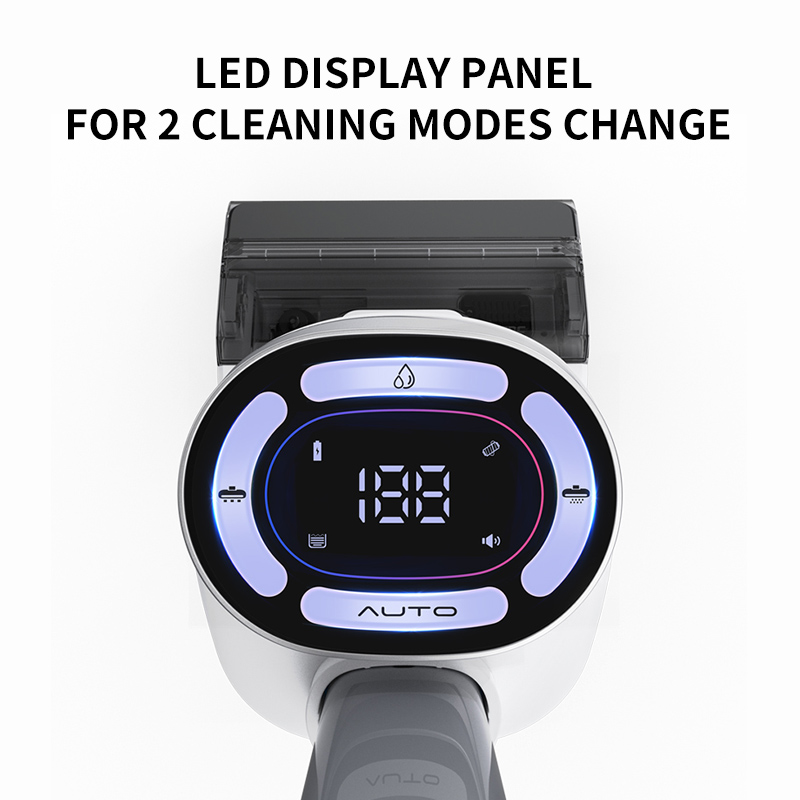
The shift from manual labor to automated facility management accelerates daily. Smart home ecosystems continually reshape our modern living standards. Traditional floor cleaning remains incredibly labor-intensive. It is often inconsistent and highly resource-heavy. Human operators struggle to maintain uniform pressure across large spaces. They frequently leave streaks or miss critical cleaning zones entirely. Today, an Intelligent Floor Washer steps in as a highly effective solution. We do not view it as a mere magic bullet. Instead, you should see it as a data-driven tool engineered for measurable efficiency. This comprehensive guide breaks down the core mechanics and realities of adoption. We also provide exact evaluation criteria for buyers ready to upgrade. You will learn how these systems optimize both residential and commercial spaces. You will discover how algorithms manage water consumption safely. We will help you navigate this operational transition smoothly and confidently.
Key Takeaways
Intelligent floor washers use AI, LiDAR, and advanced sensors to automate mapping, obstacle avoidance, and fluid dispensing.
The primary ROI driver is labor reallocation (commercial) or significant time-saving (residential), not just floor cleanliness.
Successful implementation requires specific environmental conditions—they are not suited for highly cluttered or constantly shifting layouts without advanced AI software.
Selecting the right smart floor washer depends on facility square footage, floor type, software ecosystem, and post-purchase maintenance requirements.
What Elevates a "Smart Floor Washer" Above Traditional Scrubbers?
Understanding the modern cleaning landscape requires clear category definitions. Mechanized scrubbers require a human operator pushing them constantly. Basic robotic vacuums only handle dry debris using simple spinning brushes. A true Smart Floor Washer performs wet and dry cleaning simultaneously. It makes autonomous decisions using advanced onboard computers. You get a machine capable of navigating complex spaces without supervision.
Older machines relied heavily on durable hardware alone. Modern ecosystems shift this focus toward intelligent software. Powerful operating systems now handle dynamic route planning seamlessly. They evaluate environmental changes instantly. You interact with a machine capable of thinking ahead. It learns your floor plan and optimizes its path every single run.
A true intelligent washer must demonstrate clear self-regulation to earn its title. It adjusts water usage based on real-time soil levels. It ramps up suction power when detecting heavier liquid messes. You should expect measurable path efficiency over time. It cleans faster as it maps your specific environment more accurately.
How an Intelligent Floor Washer Works: The Technical Architecture
Spatial Mapping and Dynamic Navigation
These systems rely on cutting-edge spatial awareness tools. They use LiDAR arrays and 3D Time-of-Flight (ToF) cameras. These sensors bounce light off surrounding objects to measure distance accurately. Drop sensors prevent the unit from falling down stairs. The washer creates precise digital twins of your physical environment. This map guides every cleaning cycle.
Obstacles rarely disrupt a modern navigation cycle. The washer adapts to moving people gracefully. It detects stray pallets or relocated furniture instantly. Real-time processing allows it to recalculate paths without pausing. You never have to worry about the machine getting stuck easily. It simply routes around the new barrier and continues working.
Algorithmic Fluid and Grime Management
Traditional mopping simply pushes dirty water around your floors. Intelligent systems utilize a strict dual-tank architecture instead. They keep clean water completely separated from extracted dirty water. This ensures only fresh liquid touches your hard surfaces. You achieve a significantly higher standard of sanitation.
Optical sensors constantly monitor the incoming grime density. They detect heavy dirt and automatically adjust water output. Brush RPM increases automatically to scrub away stubborn stains. This algorithmic dispensing conserves valuable water resources. It also prevents delicate floor damage caused by excess pooling moisture.
The Self-Cleaning and Docking Cycle
The job continues even after the floors look pristine. The washer executes a sophisticated post-cleaning workflow autonomously. It automatically returns to its designated charging base. It aligns itself perfectly with the charging pins. You do not need to intervene during this phase.
It flushes its own brush rollers using fresh water from the tank. Centrifugal drying spins the rollers rapidly to prevent odor buildup. Advanced models even use hot air to ensure complete drying. Finally, the system evacuates dirty water into a larger external reservoir. You spend vastly less time maintaining the machine itself.
Evaluating the ROI: Is an Intelligent Floor Washer Worth the Investment?
We frame commercial benefits around labor reallocation rather than replacement. You free up skilled maintenance staff for high-level detailing. Janitorial teams can focus on tasks requiring complex human judgment. They can sanitize door handles or clean glass fixtures. We do not view automation as replacing human workers entirely.
Quantifiable resource reductions matter deeply to facility managers. Algorithmic dispensing cuts water and chemical usage significantly. You eliminate the waste associated with manual measuring errors. Sensors apply exactly what the floor needs and nothing more. This efficiency scales massively across large commercial footprints.
Digital reporting adds immense value to operational oversight. Commercial spaces require strict safety compliance and regular auditing. These washers generate detailed cleaning logs and coverage heatmaps automatically. Managers can prove exactly when and where cleaning occurred. This data provides incredible liability protection against slip-and-fall claims.
We must acknowledge where ROI falls short practically. Tiny rooms cannot justify the initial deployment time. Highly cluttered areas confuse basic navigation algorithms easily. Environments requiring heavy manual degreasing need specialized industrial treatment. An intelligent washer handles daily maintenance, not extreme industrial restoration.
Commercial Fleets vs. High-End Residential Models
Commercial / Industrial Autonomous Scrubbers
These models focus heavily on extensive fleet management capabilities. Robust data security ensures safe cloud reporting for massive enterprises. Large-capacity tanks allow them to clean sprawling warehouses effortlessly. They feature heavy-duty squeegees and industrial-grade scrub decks. They integrate seamlessly into existing facility operations and daily schedules.
Prosumer / High-End Residential Smart Washers
Homeowners require a very different set of functional features. Lightweight maneuverability takes priority over raw tank capacity. Edge-cleaning capabilities handle tight residential baseboards effectively. Aesthetic docking stations blend into modern home decor naturally. App-based lifestyle convenience lets users schedule cleanings remotely from their smartphones.
System Comparison Matrix
Feature Category
Commercial / Industrial Fleets
High-End Residential Models
Core Focus
Fleet management, cloud reporting, durability
Maneuverability, aesthetics, convenience
Tank Capacity
10+ Gallons (Extended continuous operation)
Under 1 Gallon (Quick daily cycles)
Navigation
Advanced BrainOS, multi-sensor industrial LiDAR
Basic LiDAR, camera-based obstacle avoidance
Maintenance
Dedicated service contracts, rugged parts
Self-cleaning docks, user-replaceable rollers
Match the hardware tier directly to your operational demand. Do not overspend on enterprise technology for a small retail showroom. Avoid under-speccing a residential unit for a massive warehouse floor. Proper alignment ensures you get the exact performance you expect.
Implementation Realities, Maintenance, and Adoption Risks
The initial setup requires patience and active supervision. First runs demand supervised mapping and careful environmental optimization. You must remove loose cables from the floor entirely. You should define clear no-go zones via the digital application. This upfront friction guarantees smoother autonomous runs later.
An intelligent machine relies entirely on its sensory inputs. You must maintain these sensors for the machine to function properly. We recommend the following routine hardware upkeep:
Wipe navigation cameras weekly using a dry microfiber cloth.
Replace HEPA filters regularly to maintain optimal vacuum suction.
Check roller wear patterns monthly to ensure even floor contact.
Empty the solid debris tray immediately after heavy cleaning runs.
Expect a moderate learning curve during early adoption. Staff or users must learn to interact with the app interface. They need training to troubleshoot basic error codes effectively. Proper onboarding reduces this operational friction significantly. Clear standard operating procedures help teams embrace the new technology quickly.
How to Shortlist and Select Your Floor Washing System
You need a strict evaluation framework before making a purchase. Consider these core criteria:
Square Footage vs. Battery/Tank Capacity: Ensure the machine can complete a specific zone continuously. It should never require a mid-cycle manual refill. Check the stated runtimes against your actual floorplan size.
Floor Type Compatibility: Verify performance across sealed hardwood, polished concrete, or tile. Check the grout-cleaning efficacy carefully if your facility uses deep tiles.
Software Ecosystem and Updates: Prioritize brands offering seamless Over-The-Air (OTA) updates. This future-proofs the core navigation algorithms securely. Your machine gets smarter over time.
Service Level Agreements (SLAs): Commercial buyers must emphasize local repair networks. Rapid replacement parts availability prevents costly operational downtime. Ask about dedicated technical support channels.
We advise booking a comprehensive site demonstration first. Request a pilot program before finalizing any large procurement. Use this test phase to validate real-world performance accurately. You can evaluate an Intelligent Floor Washer across your most challenging floor zones. This ensures the hardware meets your specific facility demands perfectly.
Conclusion
An intelligent washer represents a highly strategic facility upgrade. You trade upfront capital for long-term operational consistency. These systems eliminate the variability of human cleaning techniques entirely. They deliver measurable, data-backed sanitation results every single day.
This technology is incredibly mature and ready for immediate adoption. You simply must align the machine's capabilities with your specific environmental realities. Proper mapping and routine sensor maintenance guarantee exceptional performance. You can confidently deploy these units in almost any modern space.
Review your technical specifications against your exact floorplans today. Contact a sales engineer for a detailed facility assessment soon. Embrace this automation to elevate your overall cleaning standards permanently.
FAQ
Q: Can a smart floor washer replace daily manual mopping completely?
A: Yes for general maintenance. But manual spot-cleaning remains necessary for extreme, localized spills. You still need human intervention for deep corners or tight stairwells. Automated systems handle the vast majority of open-floor sanitation effortlessly.
Q: How do intelligent floor washers handle transitions between floor types?
A: Advanced sensor detection alters suction and water flow automatically. The machine senses when it moves from tile to hardwood. Physical limitations exist, however. The machine actively avoids carpets during wet cleaning modes to prevent damage.
Q: Are autonomous commercial floor scrubbers safe to use around customers?
A: Yes. LiDAR and 3D cameras boast incredibly fast reaction times. Strict safety standards enforce automatic shut-off protocols instantly upon unexpected contact. They navigate carefully around moving pedestrians and stationary displays.
Q: What is the average lifespan of the battery and brush rollers?
A: Brush rollers typically last 6 to 12 months before requiring replacement. Batteries function optimally for 2 to 4 years depending on cycle frequency. These realistic timelines help establish accurate expectations for routine parts replacement.