Keeping hard floors spotless often feels like an endless battle. You sweep away dry crumbs only to discover sticky spills hiding underneath. This constant friction plagues many busy households today. You must balance daily time consumption against the desire for barefoot-level hygiene. Traditional manual tools force you to exert significant physical energy. They demand heavy scrubbing and frequent water changes. Modern motorized, dual-action solutions now promise a much easier path. We will objectively evaluate these cleaning methods. You will learn if upgrading from a basic manual mop to a high-tech solution brings real value. We will explore mechanical differences, real-world scenarios, and practical maintenance realities. You will understand how these devices handle everyday messes. Ultimately, this guide helps you decide the best approach for your daily household maintenance routine.
Key Takeaways
Hygiene vs. Cost: Traditional mops are highly cost-effective but inherently push dirty water across floors; modern alternatives separate clean and dirty water for superior hygiene.
Time Efficiency: Combining vacuuming and mopping into a single pass cuts active cleaning time by up to 50%, though device maintenance adds a few minutes post-clean.
The "Gimmick" Reality Check: Advanced devices are not maintenance-free magic. Proper care of water tanks and rollers is essential to prevent odors and machine degradation.
Purchase Verdict: An Intelligent Floor Washer is best for homes with hard floors, pets, and children, while traditional mops remain viable for small spaces or occasional spot cleaning.
The Baseline Mechanics: Traditional Mops vs. A Wet Dry Vacuum Cleaner
Evaluating floor care requires a clear definition of success. A visually clear surface does not always equal a sanitary surface. We must measure performance against strict household hygiene standards. A truly clean floor achieves four specific outcomes.
Removal of particulate matter: All dust, hair, and dry debris must vanish.
Stain eradication: Dried liquids and mud must lift completely without residue.
Absence of stickiness: The floor must feel smooth and completely bare to the touch.
Sanitization: Biological matter and bacteria must leave the surface entirely.
Traditional mops approach these goals through a disjointed process. You must pre-vacuum or sweep the entire area first. You then fill a bucket and begin manual scrubbing. This method relies purely on physical friction. You push a damp cloth or sponge across the floor.
The fatal flaw of this method involves recontamination. You plunge the soiled mop head into your bucket. The clean water turns dirty almost immediately. Even frequent rinsing fails to solve this issue. The mop head inevitably reintroduces soiled water back to the floor. You spread a thin layer of gray water everywhere. The floor looks clean from a distance, but microscopic debris remains.
A modern Wet Dry Vacuum Cleaner disrupts this flawed cycle entirely. It merges the dry and wet steps into one seamless action. The machine simultaneously vacuums dry debris and scrubs floors. It uses a high-speed motorized roller.
The primary advantage lies in continuous freshwater delivery. Dual-tank systems keep everything separate. The machine dispenses clean water onto the roller. It immediately extracts the dirty liquid into a dedicated waste tank. Dirty water never touches your floor again. This mechanical extraction fundamentally changes household hygiene.
Core Evaluation Dimensions for an Intelligent Floor Washer
You cannot judge advanced cleaning devices by basic metrics. An Intelligent Floor Washer introduces complex technology into daily chores. We evaluate these machines across four crucial performance dimensions.
Cleaning Efficacy & Suction Power
Modern devices eliminate guesswork from your cleaning routine. They feature automated dirt-detection sensors. These optical sensors scan the floor continually. They detect heavy soil concentrations in real-time. The machine adjusts its suction power automatically based on the mess. It also increases water flow for tougher stains. You never have to manually guess how much soap a stain requires. The device calibrates the exact force needed for optimal cleaning.
Floor Type Compatibility & Safety
Different surfaces demand different moisture levels. Standing water destroys certain materials over time.
Hardwoods: Solid and engineered wood floors hate excess moisture. Traditional mops often leave dangerous puddles behind. These puddles cause wood warping and edge swelling. Motorized washers utilize precise water control. They leave hardwoods practically dry within minutes.
Tile and Laminate: These surfaces require strong friction. Motorized rollers excel at pulling embedded dirt from deep grout lines. They also prevent the hazy streaks common with manual mopping. Drying times drop significantly due to powerful vacuum extraction.
Ergonomics and Usability
Manual mopping demands heavy physical exertion. You bend constantly. You push heavily against stubborn spots. You wring out soaked cloths repeatedly. This strains your lower back and shoulders. Motorized cleaners solve this through self-propulsion. The internal motors pull the device forward naturally. You simply guide the handle around furniture. The machine provides the scrubbing force. Your physical fatigue drops dramatically during large cleaning sessions.
Hygiene & Cross-Contamination
We must acknowledge the scientific difference between wiping and extracting. A static cloth merely traps a percentage of dirt. It smears the remaining biological matter across the room. Mechanical extraction operates differently. It physically pulls spills off the floor using high-velocity airflow. The machine locks bacteria safely inside the dirty water tank. This prevents cross-contamination between rooms. You stop dragging bathroom germs into your kitchen space.
Scenario Analysis: When to Upgrade to a Smart Wet Dry Vacuum Cleaner
Understanding mechanical advantages helps, but real-world performance matters more. We must analyze how these tools handle specific household chaos. Daily life produces complex, unpredictable messes.
High-Traffic Homes & Pet Owners
Homes with pets face unique cleaning challenges daily. Imagine finding muddy paw prints mixed with dry dog kibble and pet hair. A traditional approach requires three steps. You sweep the kibble. You vacuum the hair. You scrub the mud. A Smart wet dry vacuum cleaner manages this complexity instantly. It handles complex messes in a single pass. The vacuum port swallows the kibble and hair. The wet roller scrubs the dried mud simultaneously. You save massive amounts of time.
Kitchen Disasters (Wet/Dry Mixes)
Kitchens breed the worst combination of spills. Dropped cereal bowls create a disastrous mix of dry flakes and sticky milk. Broken eggs leave a slimy, bio-hazardous puddle. A traditional mop fails miserably here. It creates a larger, stickier smear across your tiles. It pushes the egg yolk deep into the grout lines. Motorized rollers perform differently. They pull the egg and cereal directly into the waste tank. The floor remains spotless without any sticky residue.
Small Apartments vs. Large Layouts
Device limitations often appear in larger homes. Battery runtimes dictate your maximum cleaning range. Most smart cleaners offer 30 to 45 minutes of continuous power. Water tank capacities also present hard limits. You might need to pause and refill tanks in homes exceeding 1,500 square feet. A manual mop offers unlimited "runtime." However, human physical fatigue usually stops you long before the job ends. Smart devices trade infinite runtime for highly efficient, effortless bursts of cleaning.
Scenario
Traditional Mop Performance
Smart Wet Dry Vacuum Performance
Mud + Dry Kibble
Requires separate sweeping and mopping steps.
Clears both dry and wet debris in one pass.
Dropped Raw Egg
Smears sticky residue; spreads bacteria.
Extracts fully into dirty tank; leaves floor dry.
Sticky Juice Spill
Dilutes spill; leaves floor sticky.
Washes away sugars; leaves zero residue.
Large House (2000+ sq ft)
Causes high physical fatigue.
Requires battery recharge or tank refill mid-clean.
Implementation Realities: Maintenance, and Risks
Advanced cleaning devices are not magic wands. They require specific user behaviors to function properly. We must address common user skepticism directly. You trade one type of labor for another.
The Maintenance Trade-Off
You absolutely save active time while cleaning the floor. However, you must spend time cleaning the machine afterward. This reality surprises many new users. You shift your labor from pushing a heavy mop to performing light mechanical maintenance. This trade-off generally favors the user. Five minutes of sink maintenance beats forty minutes of floor scrubbing.
Odor Management
Dirty water tanks present the biggest hurdle. The reality is simple. If you do not empty them immediately, they will smell terrible. The tank collects food debris, pet hair, and dirty water. This mixture ferments rapidly at room temperature. You must build a strict habit. Empty and rinse the dirty tank the moment you finish cleaning. Failing to do this guarantees severe odor issues in your home.
Self-Cleaning Limitations
Brands heavily promote their self-cleaning features. These features are highly effective for daily use. Centrifugal drying spins the roller at high speeds. Automated roller-washing flushes the base station with clean water. These cycles remove surface dirt well. However, they possess limits. Periodic manual deep-cleaning remains absolutely required. You must manually extract long tangled hair from the roller axis. You must rinse the dry dust filters under the sink. Proper care prevents long-term machine degradation.
Common Maintenance Mistakes to Avoid:
Leaving dirty water in the tank overnight.
Placing a damp roller back into a dark closet.
Ignoring tangled hair around the roller bearings.
Using harsh, foaming third-party chemicals.
Decision Framework: Shortlisting Logic & Next Steps
Not every home needs a high-tech floor washer. You must evaluate your specific living situation carefully. Use this logical framework to finalize your decision.
Stick with a Traditional Mop if:
Your home is primarily carpeted. You only maintain a small hard-floor bathroom or galley kitchen.
Your household budget is strictly under $100.
You are completely unwilling to perform routine machine maintenance. You know you will forget to empty tanks after every use.
Invest in an Intelligent Floor Washer if:
You have more than 500 square feet of continuous hard flooring. This includes solid wood, ceramic tile, or luxury vinyl plank.
You clean frequently due to toddlers, shedding pets, or heavy outdoor foot traffic.
Your primary goal is reducing daily active chore time. You demand barefoot-clean floors without chemical residues.
What to Look For When Buying:
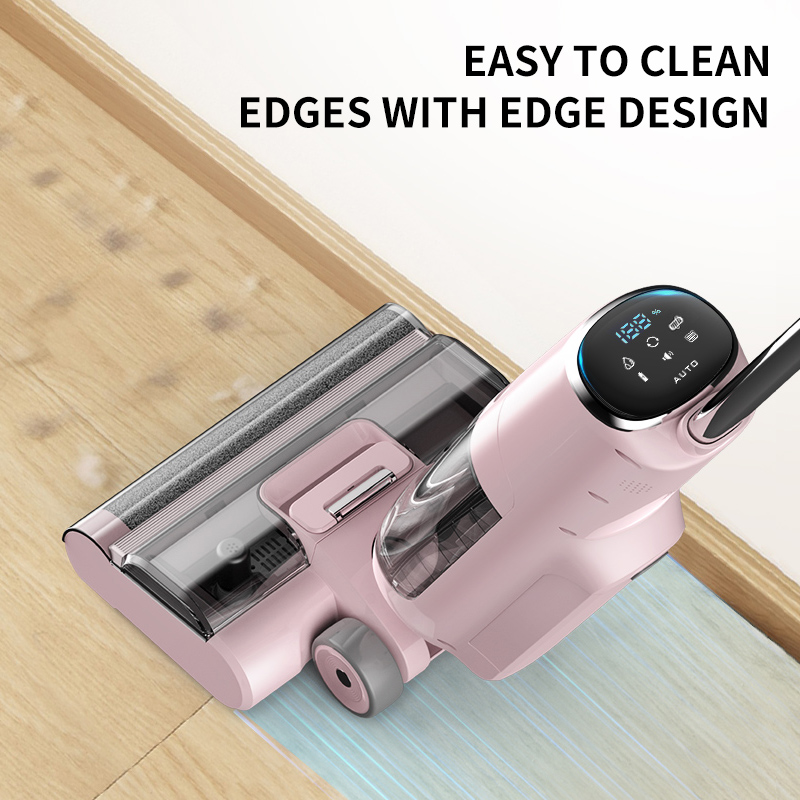
If you decide to upgrade, shortlist models based on specific features. Examine the edge-cleaning design first. The roller should reach all the way to the baseboards. Check the battery life ratings against your home size. Look for heated drying features on the base station. Heated drying prevents sour roller odors effectively. Finally, always verify the warranty terms. Complex electronics mixing with water require solid manufacturer backing.
Conclusion
Traditional mops remain reliable legacy tools for quick spot cleaning. However, they are fundamentally flawed regarding cross-contamination. They inevitably push dirty water across your living spaces. They demand high physical effort for mediocre visual results.
Homes dominated by hard floors benefit immensely from modern technology. The transition to a wet dry system shifts your household labor entirely. You move away from physical floor scrubbing. You adopt brief, light machine maintenance instead. This exchange yields a significantly higher standard of cleanliness. Your floors achieve true sanitation. You reclaim valuable time while enjoying pristine, barefoot-ready floors every day.
FAQ
Q: Can an intelligent floor washer completely replace my traditional vacuum?
A: For hard floors, yes. These devices handle all dry dust and wet spills simultaneously. However, they cannot clean thick carpets or rugs. If your home features heavy carpeting, a dedicated dry vacuum is still required.
Q: Are wet dry vacuum cleaners safe for engineered or solid hardwood floors?
A: Yes. High-quality models feature controlled water release. The internal vacuum instantly extracts the dispensed water. This leaves floors practically dry within minutes, preventing warping. This is much safer than using traditional soaking wet mops.
Q: Do I have to use the brand's specific cleaning solution?
A: Generally, yes. Using third-party soaps often creates excessive foaming. This foam can bypass filters and permanently damage the internal sensors. Using unapproved chemicals usually voids the manufacturer's warranty immediately.